



Tanzania Safari Guide
Understanding Tanzania’s landscapes, wildlife, and travel rhythm before planning a safari.
The northern Tanzania we know is not the one you find in brochures.
It is vast in a way that is difficult to prepare for. The Serengeti alone covers over 14,000 square kilometres — and the animals that move through it do so on their own terms, following rhythms that have nothing to do with tourism schedules or fixed routes.
We have been guiding safaris across this region for twenty years. The parks, the seasons, the roads, the places most itineraries skip and the reasons why some are worth the extra effort — this is the Tanzania we know. And this is the Tanzania we want to help you experience.
Why Northern Tanzania
There are safari destinations in Africa that impress you. Northern Tanzania is one of the few that changes you.
It is not about a single park or a single sighting. It is about scale — a scale that is genuinely difficult to prepare for.
The Serengeti covers over 14,000 square kilometres of open savanna where wildlife moves on its own terms, following migration routes and seasonal rhythms that have existed for thousands of years.
The Ngorongoro Crater holds one of the highest concentrations of wildlife on the continent within a single volcanic caldera. Tarangire stretches across river valleys and ancient baobab forests where elephant herds gather in numbers you will not find anywhere else in the north.
These are not zoo experiences with fixed viewing points. They are vast, living ecosystems where every game drive is different — because the animals decide what happens, not the itinerary.
Beyond the iconic parks, the north of Tanzania holds places that most travelers never reach. Lake Natron with its flamingos and surreal volcanic landscape. The Empakaai crater, rarely visited and extraordinarily beautiful. The Hadzabe people of Lake Eyasi, one of the last hunter-gatherer communities in East Africa.
Lushoto, tucked into the Usambara Mountains, where the landscape looks nothing like the savanna and the trekking is as good as anywhere in the region.
We know all of it — because we work here every day.
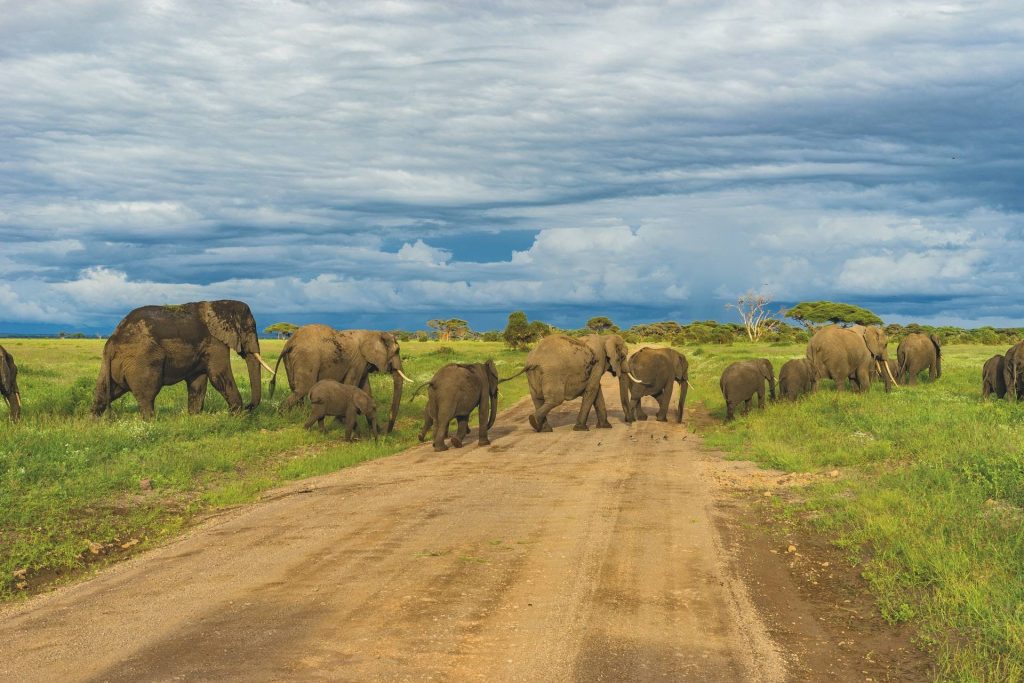
Tarangire National Park
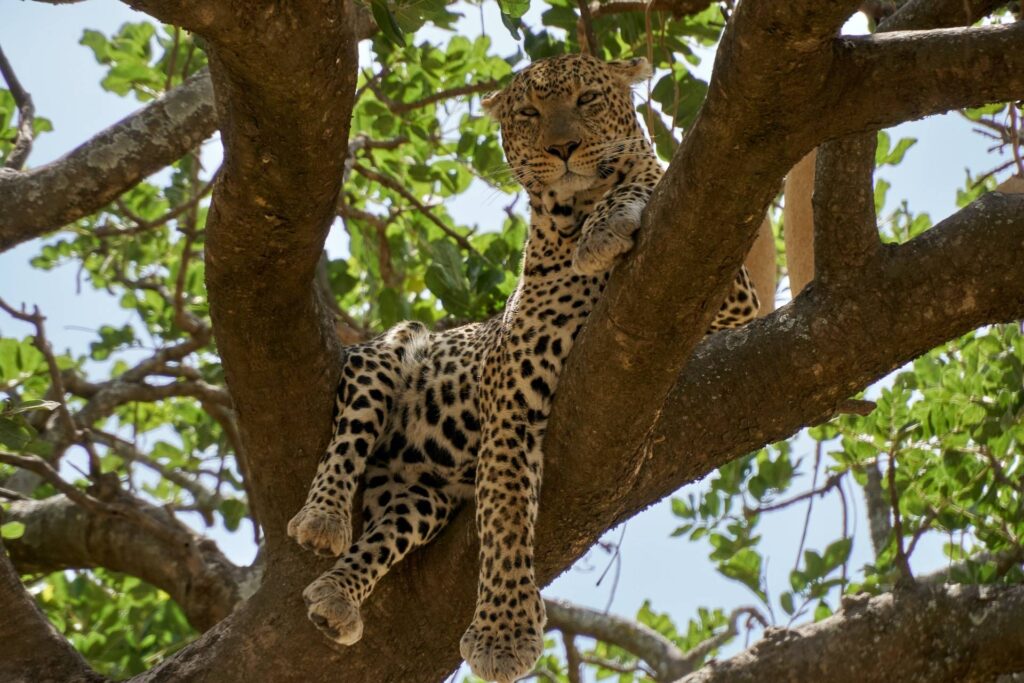
Serengeti National Park
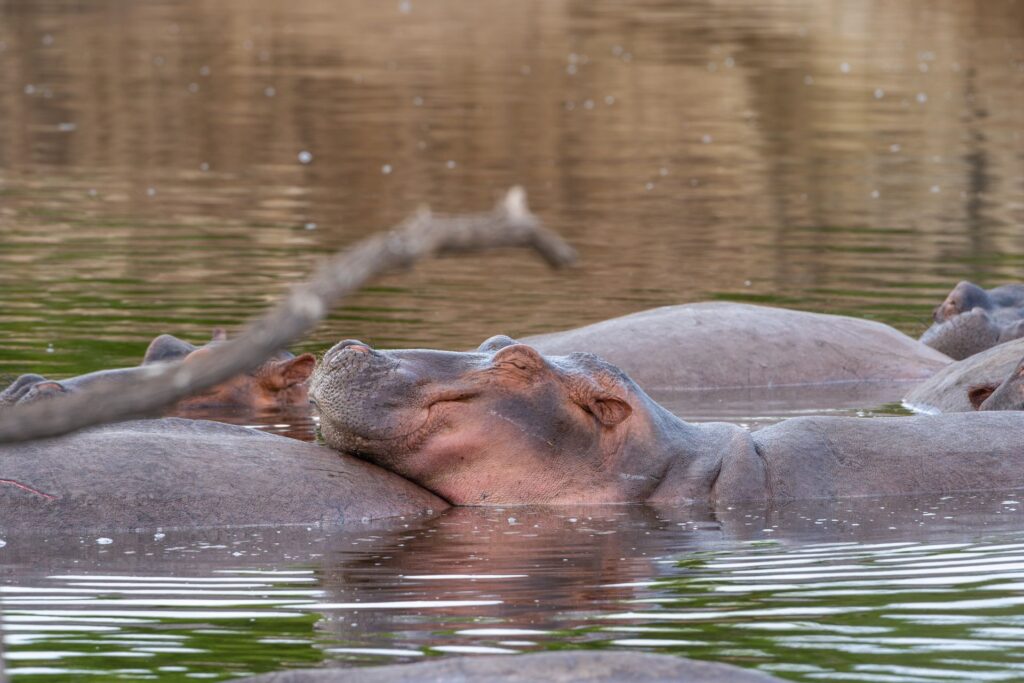
Selous Game Reserve
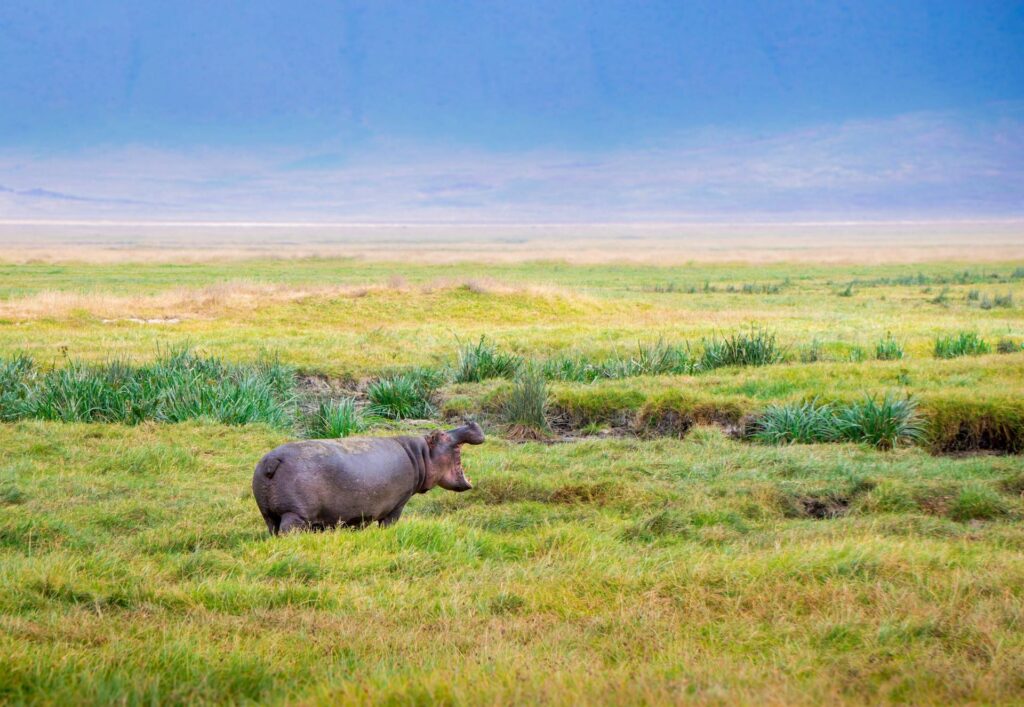
Ngorongoro Conservation Area
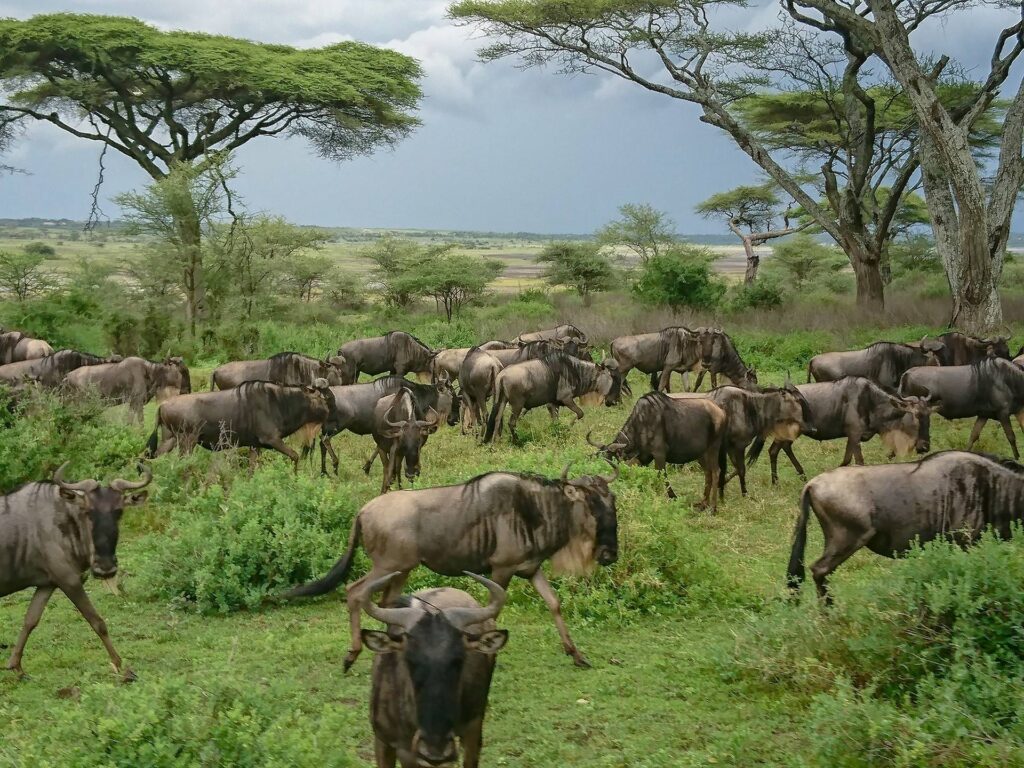
Ndutu Lake
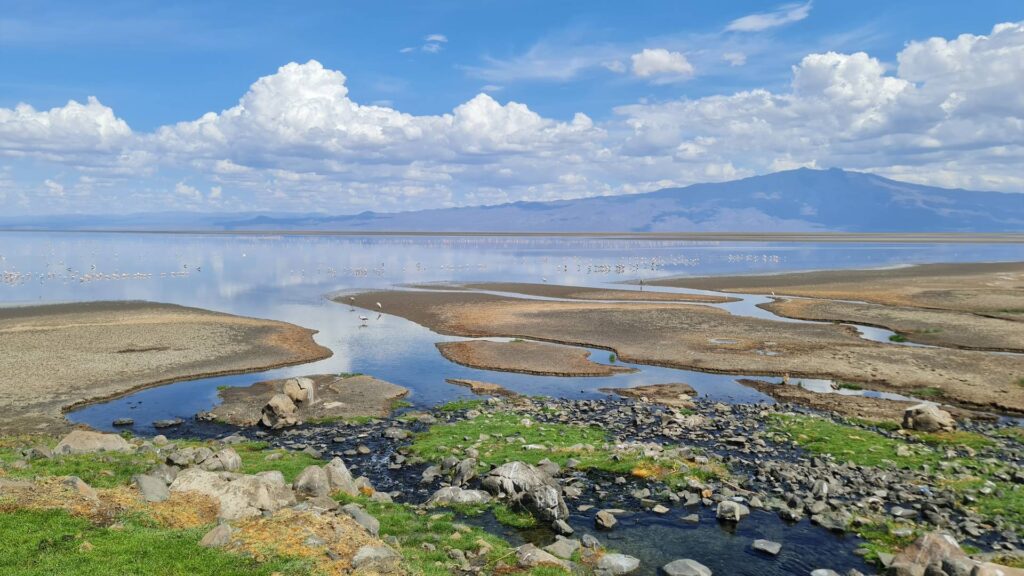
Lake Natron
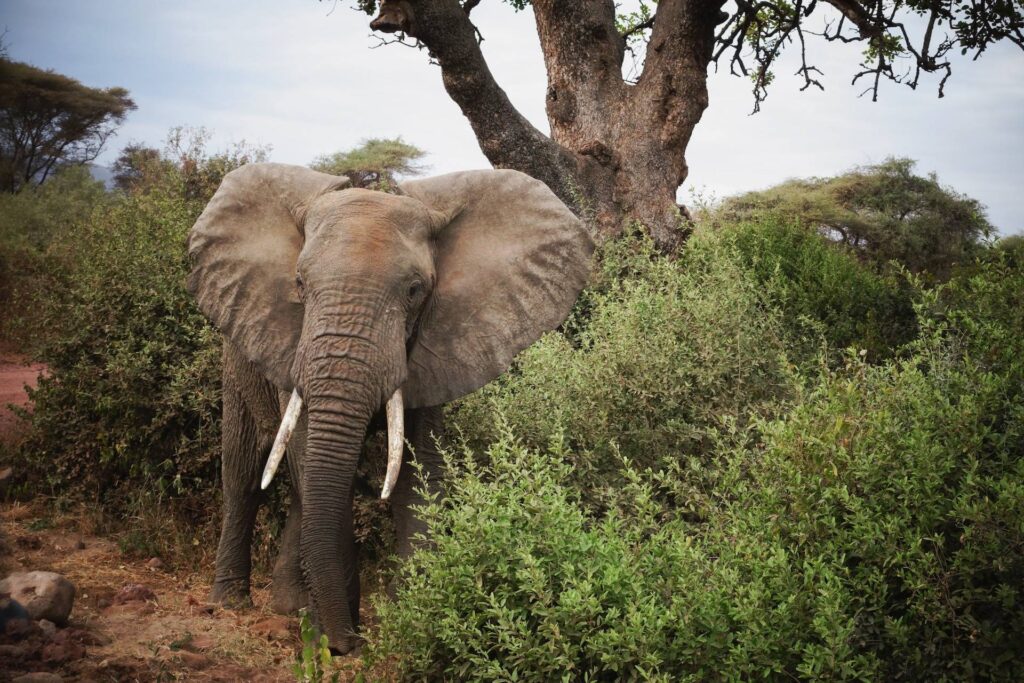
Lake Manyara National Park

Karatu
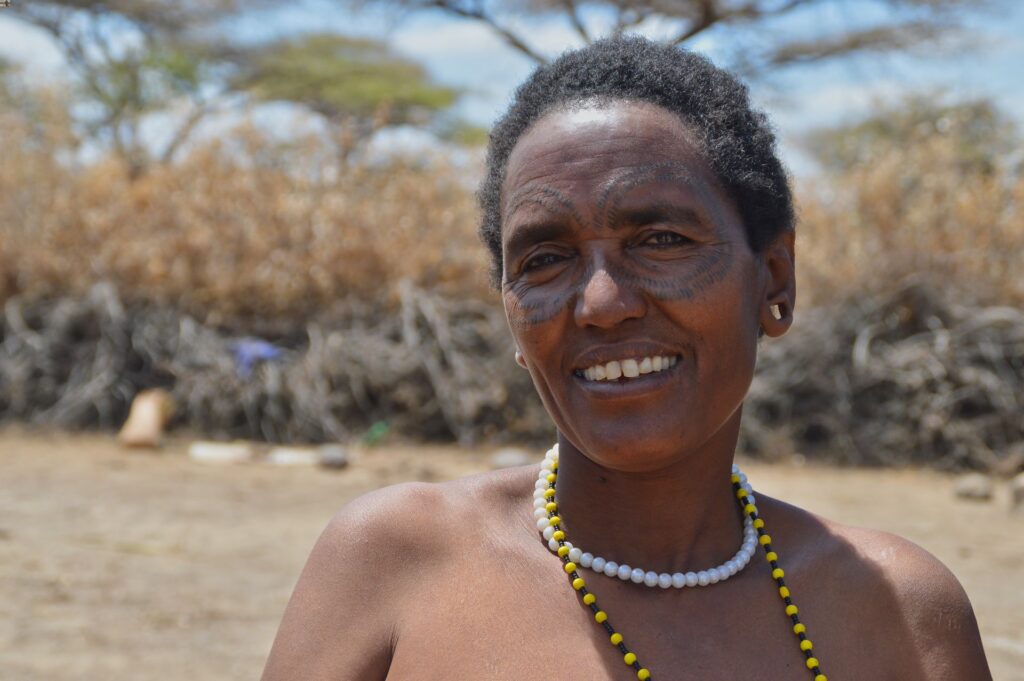
Eyasi Lake
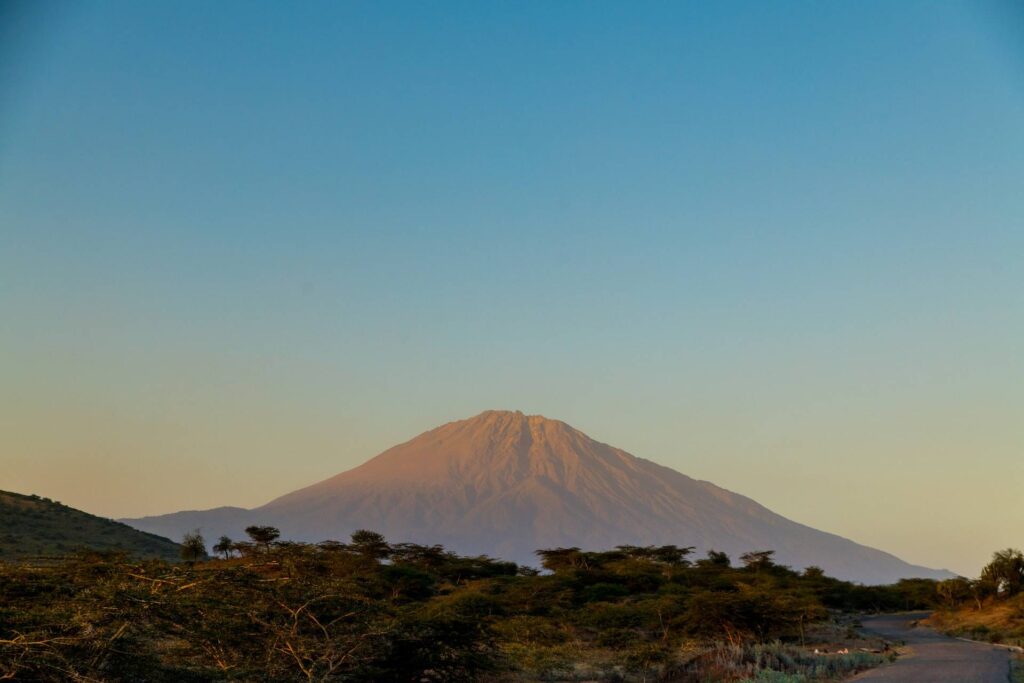
Arusha
Safari Experiences Beyond Game Drives
Game drives remain the central activity during most safaris in Tanzania, but depending on the location and itinerary, additional experiences can sometimes be included.
These may include:
- guided walking safaris in selected areas
- canoe safaris on certain lakes and waterways
- night game drives where permitted
- hot air balloon flights over the Serengeti
A balloon safari above the Serengeti plains offers a unique perspective on the scale of the landscape and wildlife movements below.
In some regions, carefully planned cultural visits can also provide insight into the communities living alongside Tanzania’s protected areas.
These activities are not essential for every itinerary, but when included thoughtfully they can add depth and perspective to a safari experience.
Planning a Safari in Tanzania
Designing a Tanzania safari itinerary involves balancing several factors, including travel distances, park combinations, accommodation style, and the time available for the journey.
Some travelers prefer a shorter safari focused on a few key parks, while others choose longer itineraries exploring the Serengeti in greater depth.
Because Tanzania’s landscapes are vast and varied, well-designed itineraries benefit from thoughtful planning that considers both wildlife opportunities and the rhythm of travel between parks.
Our team is based in Arusha, the main gateway to the Northern Circuit, and we help travelers design safaris that match their interests, schedule, and travel style.
Things to know before traveling to Tanzania
What makes Tanzania a unique safari destination?
Tanzania stands out for the scale and diversity of its protected areas. Vast ecosystems such as the Serengeti and the Ngorongoro Conservation Area allow wildlife to move freely across large landscapes, creating a safari experience shaped by space, natural behavior, and variety rather than confined routes or short encounters.
The combination of open plains, volcanic highlands, river systems, and seasonal lakes makes each region feel distinct and contributes to the richness of the experience.
Which national parks are most visited in Tanzania?
The most well-known parks in Northern Tanzania include the Serengeti National Park, the Ngorongoro Crater, Tarangire National Park. Each offers a different landscape and wildlife focus.
Beyond these, Tanzania also includes less-visited areas such as Mkomazi, Lake Natron, and the southern parks, which appeal to travelers seeking remoter or more specialized experiences..
Is Lake Manyara National Park always included in your safaris?
Lake Manyara National Park is often mentioned as part of the northern circuit, but its conditions can change significantly over time.
At the moment, due to recent flooding, the lake has expanded considerably, and wildlife sightings have become limited. Animal concentrations are lower than usual, and even birdlife is currently less present than in past seasons. For this reason, we do not actively recommend including Lake Manyara in most itineraries right now.
This does not mean the park has lost its value permanently. Lake Manyara is a dynamic ecosystem, and conditions may change again in the future. We continuously monitor how parks evolve and adjust our recommendations accordingly. When the experience improves, we will be happy to include it again where it makes sense.
Our priority is always to suggest parks that offer the best possible experience at the time of travel.
How large are Tanzania’s national parks?
Many of Tanzania’s parks are very large, especially when compared to safari destinations elsewhere in Africa. The Serengeti alone covers thousands of square kilometers.
This scale influences how safaris are planned. Game drives are often longer, landscapes change gradually, and travel time becomes part of the experience rather than something to minimize entirely.
Is Tanzania suitable for travelers looking for varied experiences?
Yes. Tanzania offers more than wildlife viewing alone. In addition to game drives, some itineraries can include cultural visits, walking experiences in certain areas, canoeing, or scenic regions such as Lake Natron or the Usambara Mountains.
Not every safari includes these activities, and they are best added thoughtfully, depending on location and time available.
How does the climate and seasonality affect travel in Tanzania?
Tanzania has a generally mild climate, with seasonal variations that influence landscapes and wildlife movement. There is no single “best” time to visit, as different seasons offer different advantages.
Dry periods tend to make wildlife viewing more predictable, while greener seasons bring fewer visitors, dramatic scenery, and unique photographic opportunities.
Is Tanzania crowded with tourists?
Tanzania’s national parks are very large, and for much of the year this helps disperse visitors and preserve a sense of space. Outside peak periods, it is often possible to experience long stretches of quiet and open landscapes, especially with thoughtful planning and route choices.
However, July and August are the busiest months of the year. This is peak season, and many lodges are fully booked months in advance, often as early as January. During this period, popular areas of well-known parks can feel busy, particularly at key wildlife sightings.
For travelers who value quieter conditions, we often recommend considering other months, when visitor numbers are lower but wildlife viewing remains excellent. Timing, accommodation choice, and itinerary design play an important role in shaping how crowded a safari feels, and we take these factors into account when advising our guests.
What kind of traveler is Tanzania best suited for?
Tanzania appeals to travelers who value nature, wildlife, and landscapes, and who appreciate journeys shaped by scale and immersion. It is especially rewarding for those willing to spend time in fewer places and allow the experience to unfold gradually, rather than trying to see everything at once.
At the same time, Tanzania works very well for both first-time and experienced safari travelers.
For those visiting Africa on safari for the first time, wildlife viewing is generally very accessible, thanks to abundant animal populations and large, well-protected ecosystems. This makes the experience immediately engaging without requiring deep prior knowledge or repeated visits.
For more seasoned safari travelers, Tanzania continues to offer depth and variety. The way itineraries unfold is rarely the same twice, shaped by season, wildlife movement, and vast landscapes.
High standards, mature safari infrastructure, and a long-established conservation model allow for a consistently high-quality experience, while still preserving a sense of unpredictability and discovery.
This balance, between accessibility and depth, is one of the reasons Tanzania remains compelling over time, whether it is a first safari or one of many.